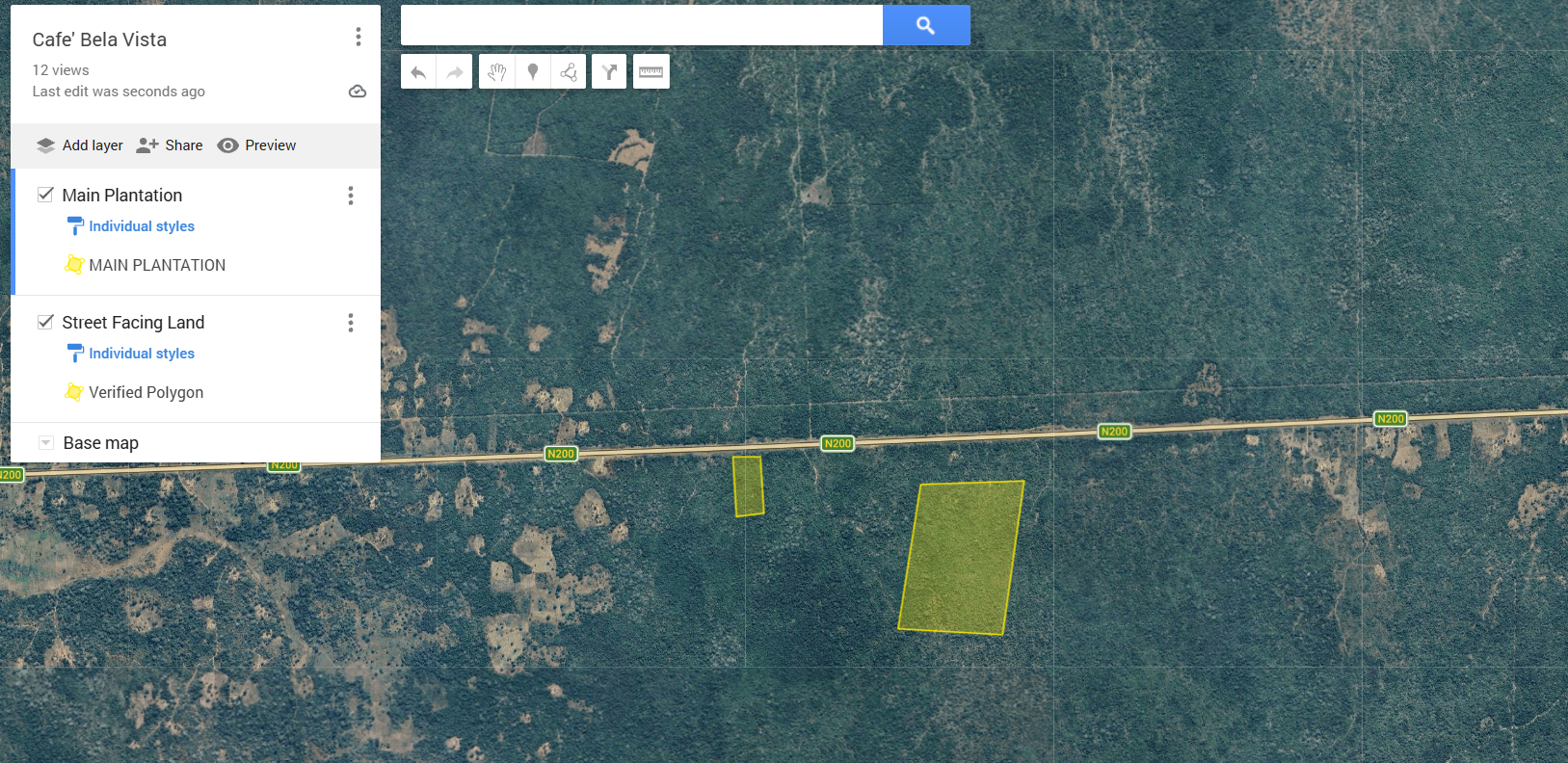
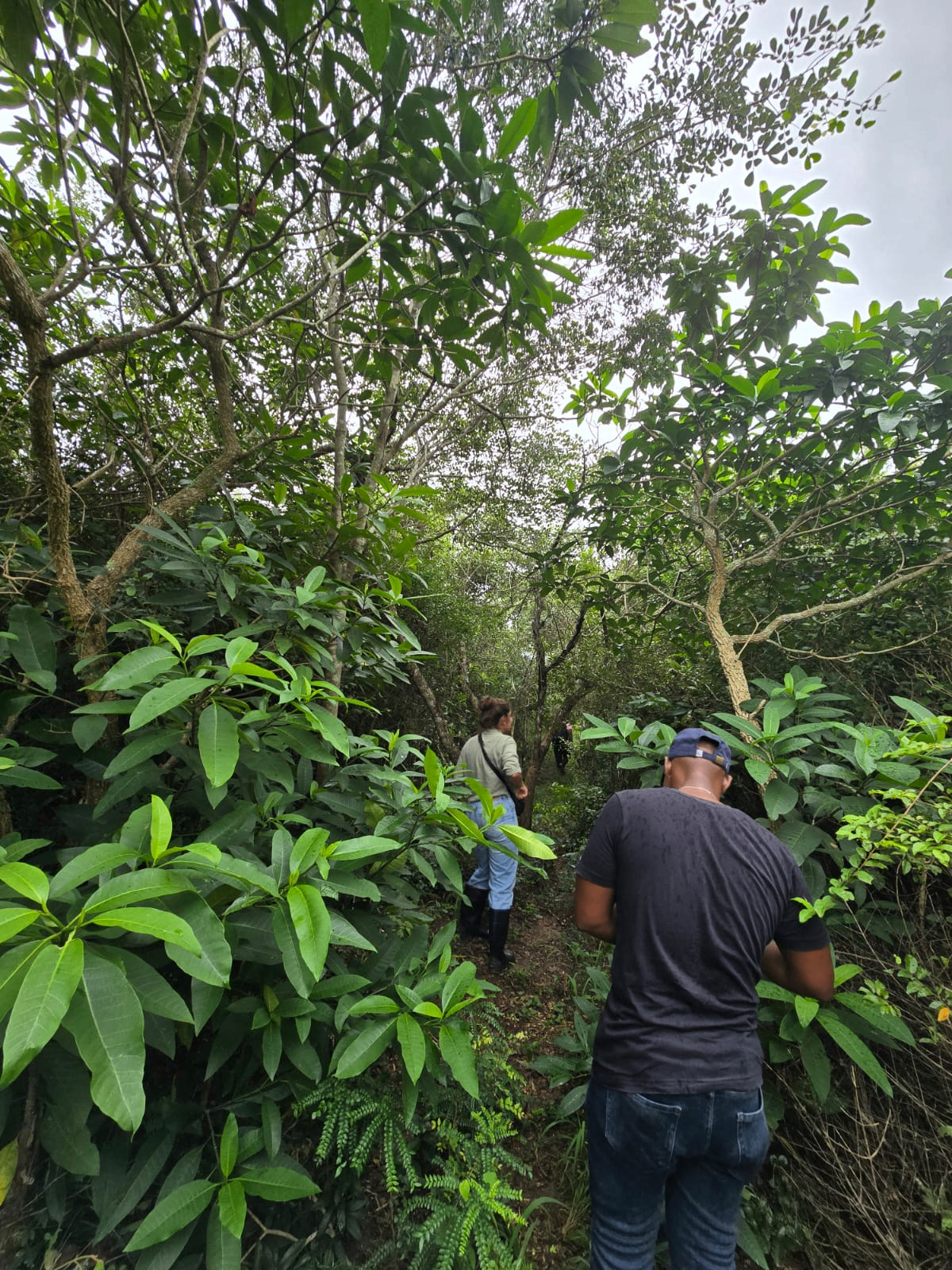
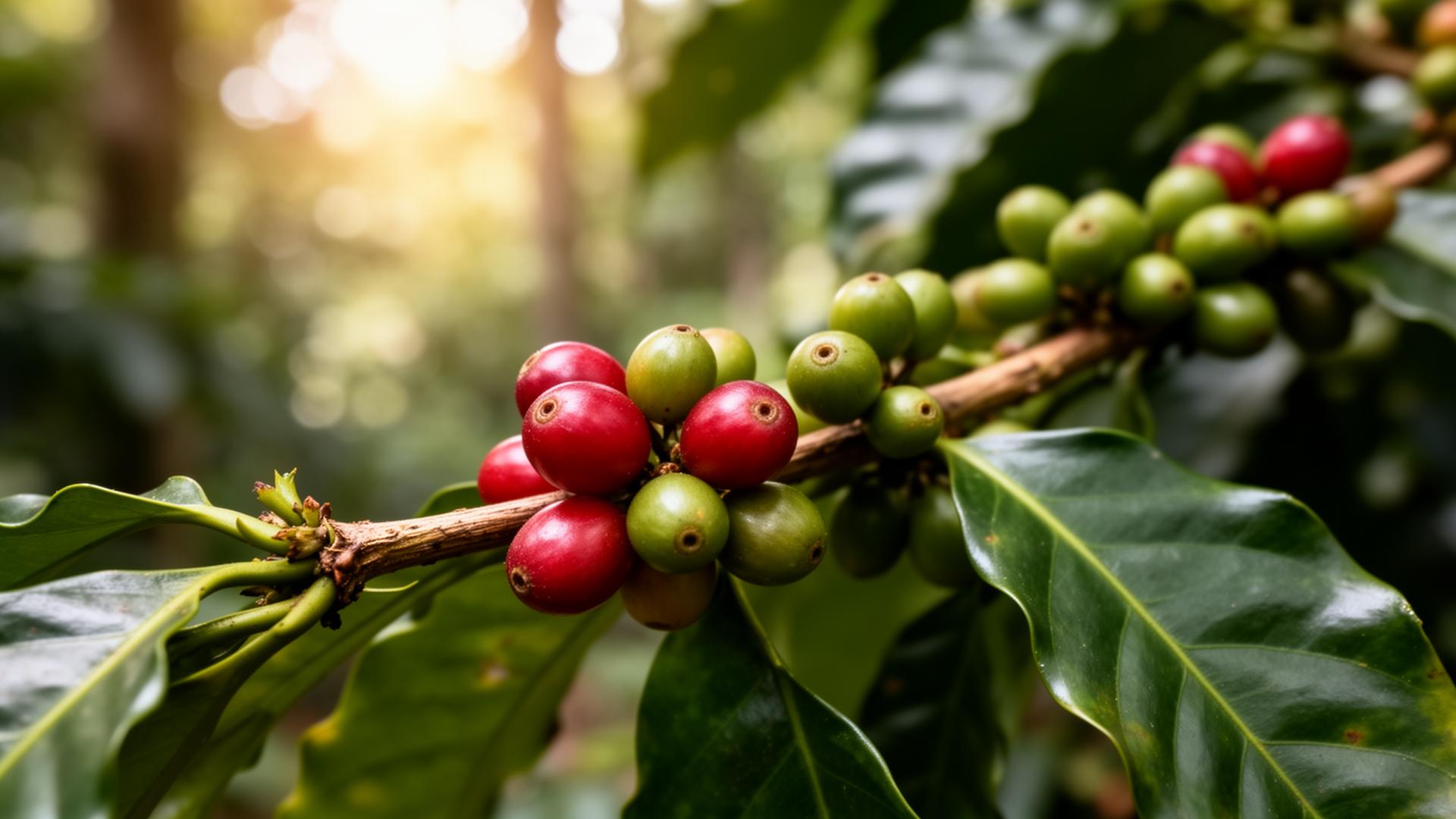
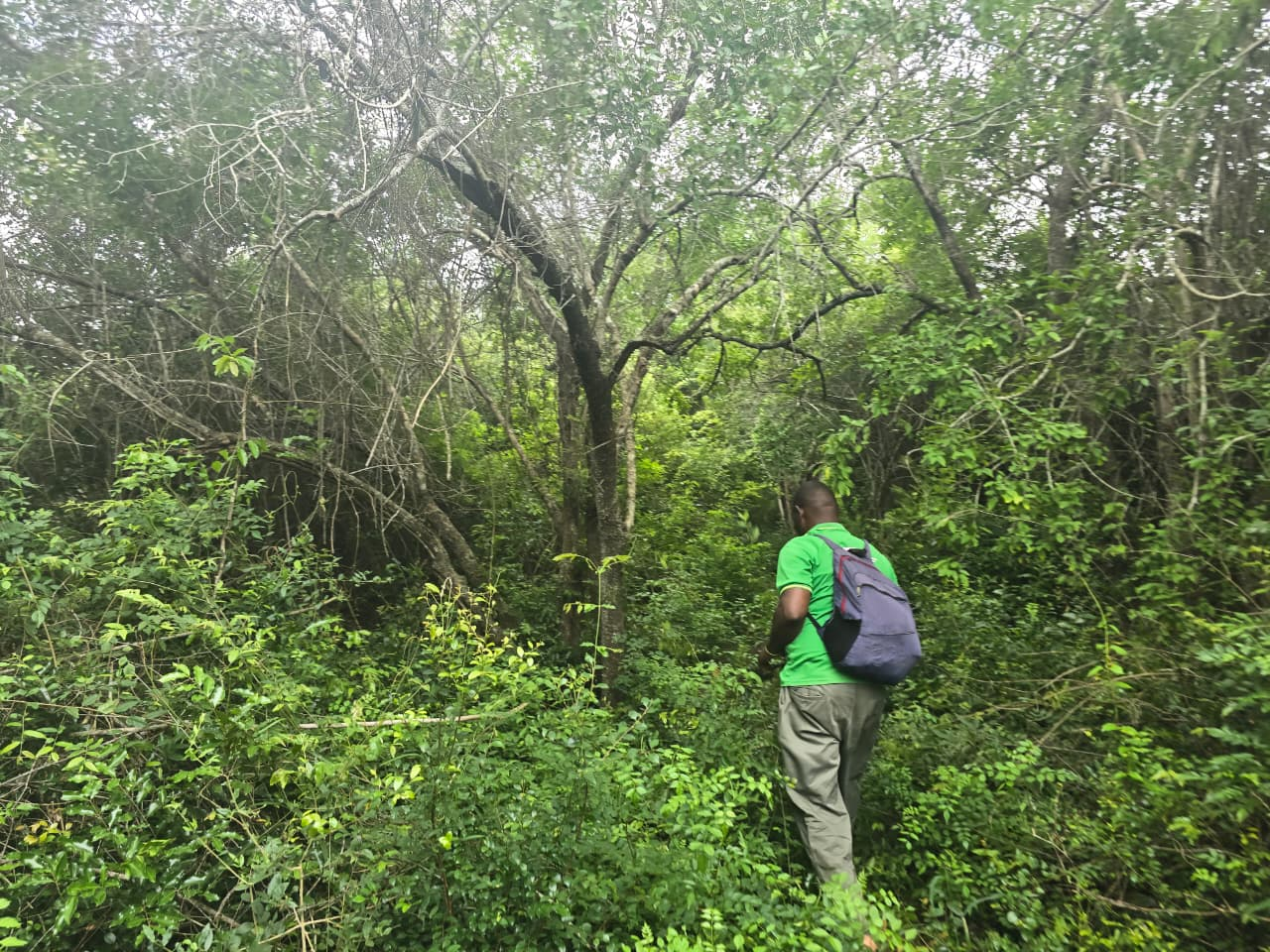
We are launching Bela Vista Coffee Estate, a 20ha coffee farm, processing facility and innovation platform located in Matutuíne District, southern Mozambique.
Sea-level coffee can become a distinctive and competitive category within specialty coffee. As climate change places increasing pressure on traditional coffee-growing regions, resilient coffee species and varieties will play an increasingly important role in securing the future of the sector.
Working across a diverse portfolio of coffee species and varieties — including Robusta, Liberica, Excelsa and Racemosa, among others — the estate will uncover the potential of sea-level coffee production within highly diversified agroforestry systems. By combining biological soil management, precision nutrition, efficient irrigation and innovative post-harvest processing, we will produce distinctive, high-quality coffees while developing production models adapted to the realities of a changing climate.
Beyond production, Bela Vista Coffee Estate will serve as a hub for processing, training, farmer engagement and knowledge generation, helping lay the foundations for a new coffee ecosystem in Mozambique and Southern Africa.
We are at the beginning of this journey. We have secured the land for the project, started producing seedlings in our nursery, and began building a stellar roster of local, regional and international sector-experts. We are now looking for investors and partners to help us develop the farm, scale production, processing and market.
Pillars01Production
Regenerative agronomy for unique, resilient coffee
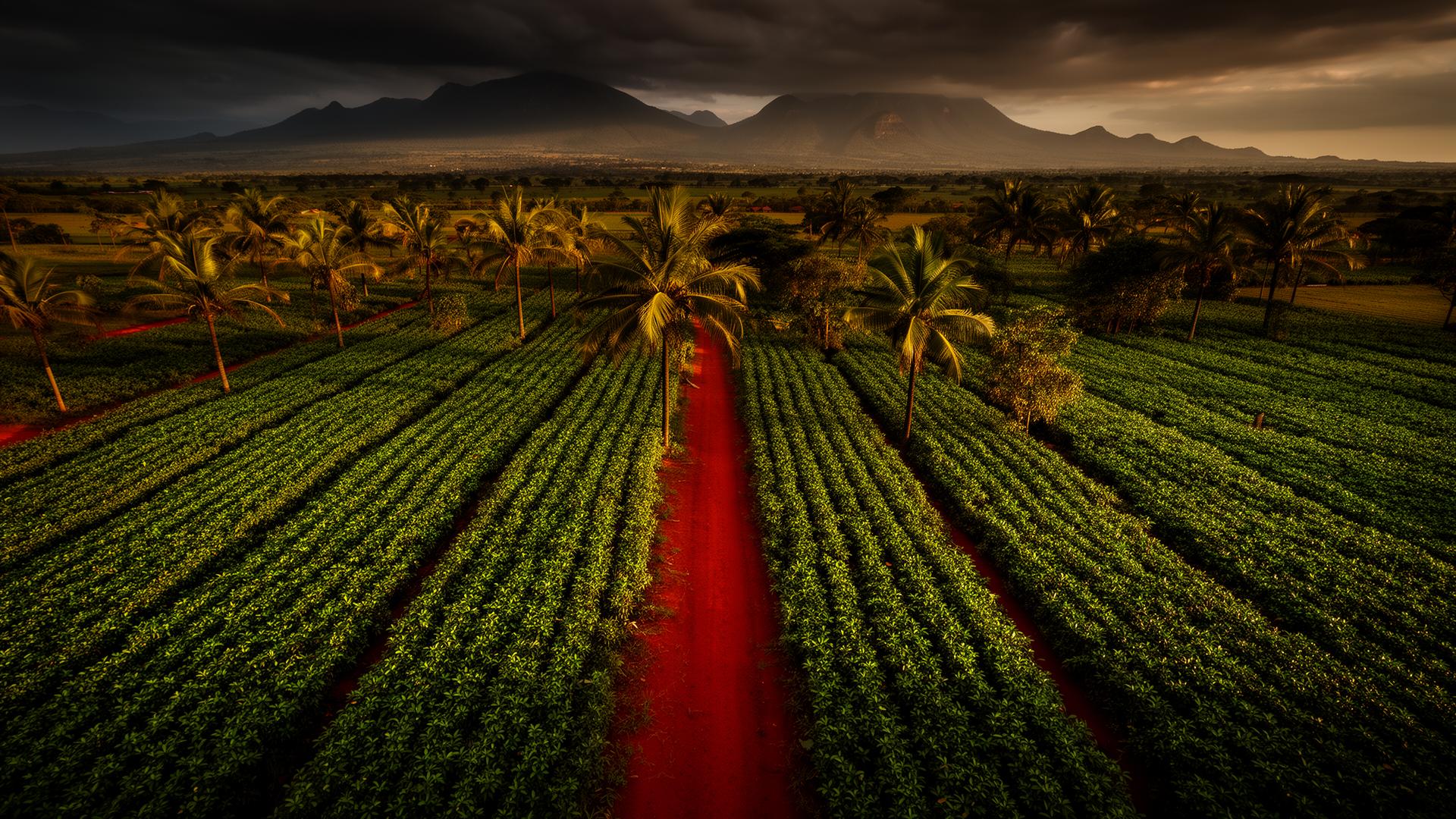
The estate will work across a diverse portfolio of coffee species and varieties, combining commercially proven genetics with emerging specialty coffees. Through agroforestry, biological soil management, precision nutrition and efficient irrigation, we aim to produce high-quality coffee while developing production systems adapted to Southern Africa's coastal environments.
02Processing and Alchemy
Turning harvest into value
Exceptional coffee is created after harvest as much as in the field. The project will invest in specialized processing, fermentation and quality control systems to unlock the full potential of each coffee variety and create distinctive coffees linked to our origin.
03Markets
Connecting origin to opportunity
By developing a unique brand and building relationships with roasters, buyers and coffee professionals, we aim to position Southern Mozambique as an emerging coffee origin. Our portfolio will combine commercially established coffees, rare specialty offerings and unique blends capable of accessing premium markets.
04Network
Building a stronger coffee ecosystem
The initiative brings together growers, processors, researchers, roasters and industry experts to accelerate learning, improve quality and create new opportunities for coffee development across Southern Africa.
05Community Development
Growing together with farming communities
Through seedling production, technical support, training and market access, we aim to support local farmers interested in integrating coffee into diversified agroforestry systems and becoming part of a growing regional coffee sector.
06Training and Capacity Building
Developing the next generation of coffee professionals
The project will serve as a hands-on learning platform for Mozambican students, young professionals and aspiring entrepreneurs. Through partnerships with technical institutes, universities and vocational training centers, participants will gain practical experience across the entire coffee value chain, from nursery management and production to processing, quality control, marketing and business development.
07Digital Solutions & IoT
Using technology to improve every stage of the value chain
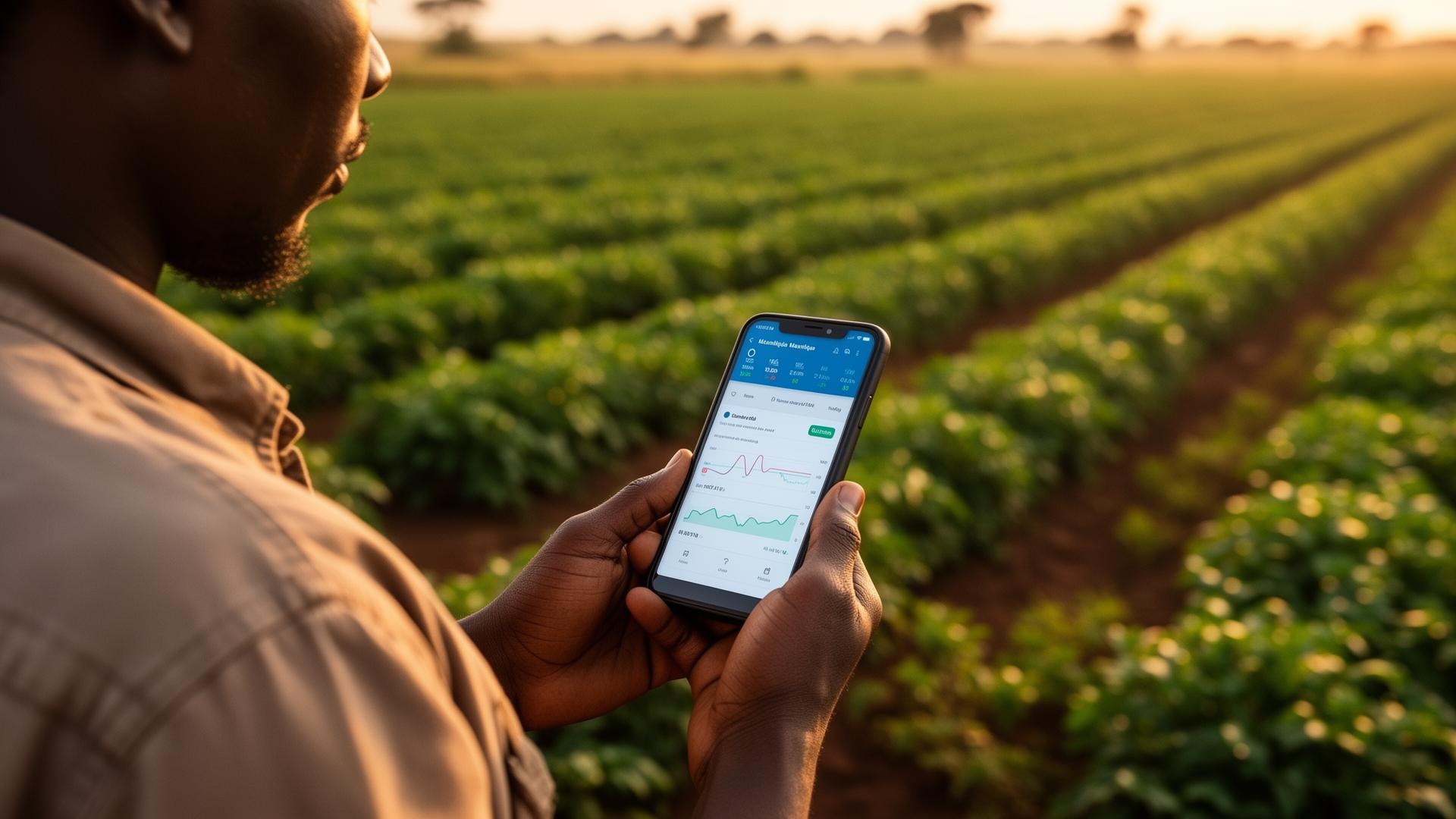
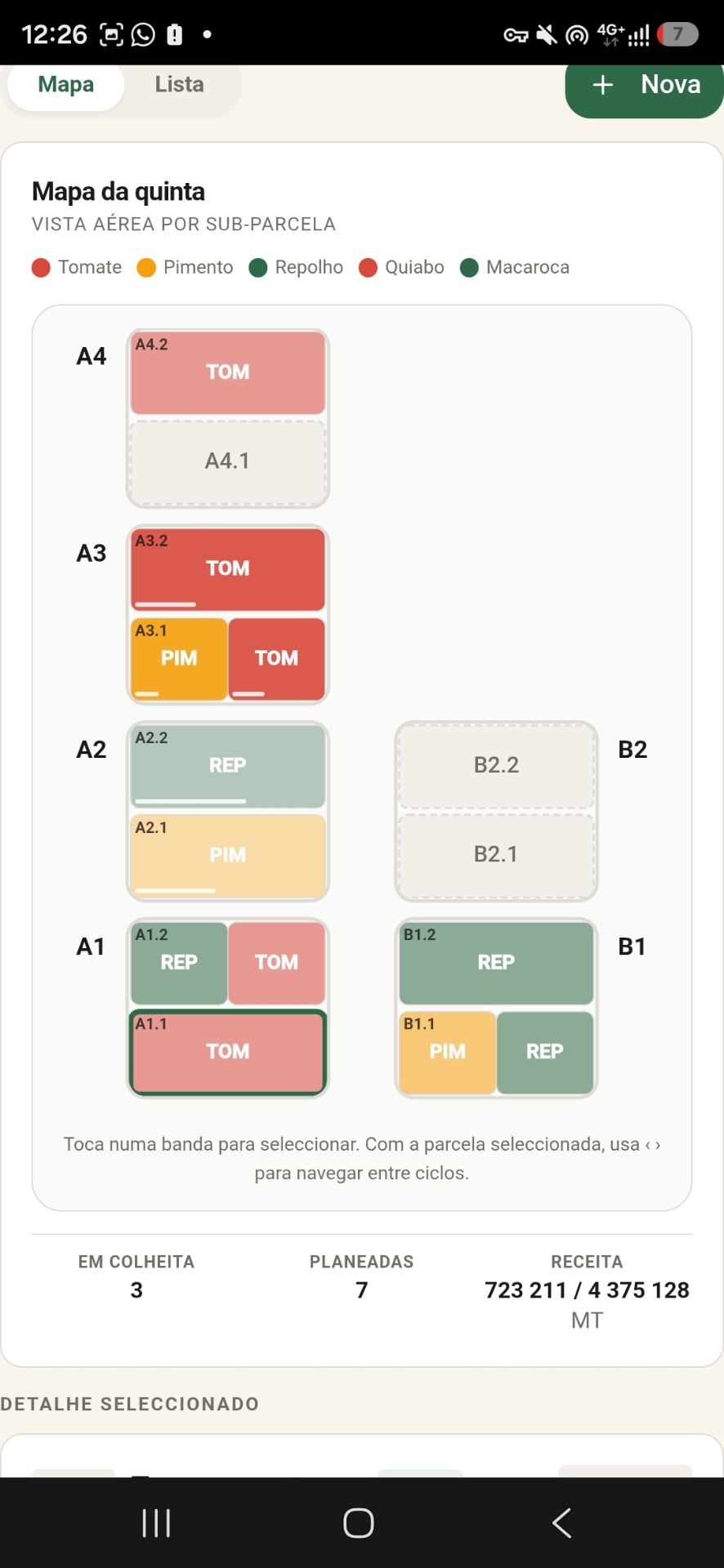
From production and irrigation management to processing, traceability and market access, digital tools are integrated throughout the estate. Sensors, farm management software and data-driven decision-making help optimize productivity, quality and resource efficiency, while traceability systems connect every coffee lot to its origin, production practices and processing history.